



The Deeper Significance of a Puja Ki Thali in Worship

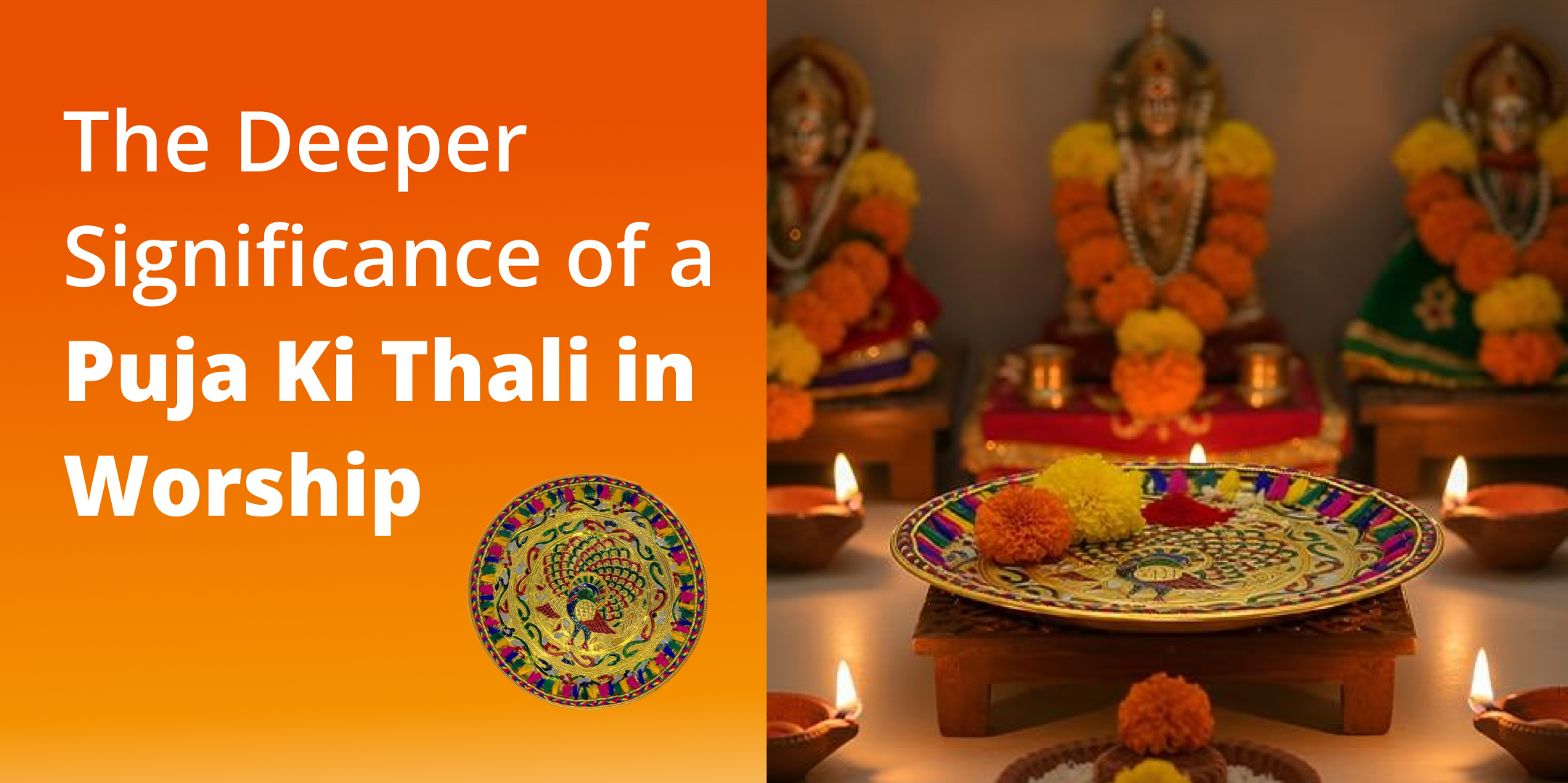
A puja thali may seem like a simple arrangement of ritual items, but over time, I realized it plays a much deeper role in spiritual practice. It is not just a plate that holds objects; it embodies intention, discipline, and continuity. When prepared thoughtfully, a puja thali becomes the center of daily worship, bringing structure and calm into an otherwise busy routine.
In many Indian homes, puja begins with the thali. Before mantras are chanted or offerings are made, the thali is carefully arranged. This preparation is a form of mindfulness. Selecting each item and placing it thoughtfully fosters awareness, reminding us that worship is not about speed or obligation but about presence.
Traditionally, a puja thali contains a diya, incense or dhoop, kumkum, chawal (rice), flowers, and prasad. Each item carries its own significance. The diya represents light and awareness, incense purifies the atmosphere, kumkum symbolizes auspiciousness, and rice stands for abundance. Together, these elements create a balanced ritual experience.
One of the most important items on a puja thali is the diya. Lighting the diya marks the beginning of worship and sets the tone for the ritual. The steady flame encourages focus and calm. Over time, I noticed that even on days when puja was brief, lighting the diya helped create a mental pause—a moment of grounding before the day moved forward.
Incense or dhoop is another essential element. Its fragrance transforms the space, making it feel sacred. More than just an aroma, incense symbolizes the offering of one’s thoughts and intentions. Watching the smoke rise gently serves as a reminder to let go of distractions and center the mind.
Kumkum and chawal may seem small, but their roles are significant. They are used to mark the deity, the kalash, or even the forehead, symbolizing respect and blessing. These elements connect worshippers to tradition and continuity, reinforcing rituals passed down through generations.
Flowers add freshness and devotion to the thali. Offering flowers is an act of humility, it symbolizes beauty given without expectation. Even a single flower placed sincerely completes the ritual. This simplicity taught me that devotion does not require abundance; it requires intention.
Prasad, placed at the end of the puja, completes the cycle of offering and receiving. It represents gratitude and acceptance. Including a small bowl or katori in the thali for prasad keeps the ritual organized and respectful.
Over time, I learned that maintaining a dedicated puja thali brings consistency to daily worship. When all items are kept together, there is no rush or distraction in searching for essentials. This organization reduces mental clutter and allows devotion to flow naturally.
Using a well-crafted puja thali enhances this experience. A sturdy, traditional thali made of brass, steel, or other durable materials stands up to years of use. Having access to thoughtfully designed puja thalis from Puja Samagri Online has made it easier to maintain this consistency without compromising authenticity.
A puja thali also reflects the rhythm of life. During festivals, it becomes more elaborate. On quieter days, it remains simple. This adaptability makes it suitable for all stages of spiritual practice, whether one is new to rituals or deeply rooted in tradition.
Another subtle benefit of a well-prepared puja thali is the sense of respect it instills. When items are placed thoughtfully, worship feels intentional rather than routine. This respect gradually extends beyond the puja space, influencing how we approach other aspects of life.
In modern homes, where space and time are limited, a puja thali serves as a portable sacred space. It allows worship to remain accessible without requiring elaborate arrangements. This practicality keeps tradition alive in changing lifestyles.
Ultimately, a puja ki thali is not about how many items it holds, but how consciously it is prepared. It reminds us that spirituality thrives in small, consistent actions. When worship is organized and intentional, it becomes a source of calm rather than a task.
Preparing a puja thali each day may seem repetitive, but within that repetition lies discipline and peace. It teaches us to show up, to faith, to tradition, and to ourselves, one ritual at a time.
For more information about our products related to Puja Items, please refer to this page.
#PujaThali #SpiritualPractice #Mindfulness #Devotion #IndianTraditions #PujaSamagri #Rituals #Meditation #Gratitude #IntentionalLiving #ConsciousWorship