



Ahoi Ashtami 2026: A Mother’s Prayer for Children, Protection and Family Well-Being

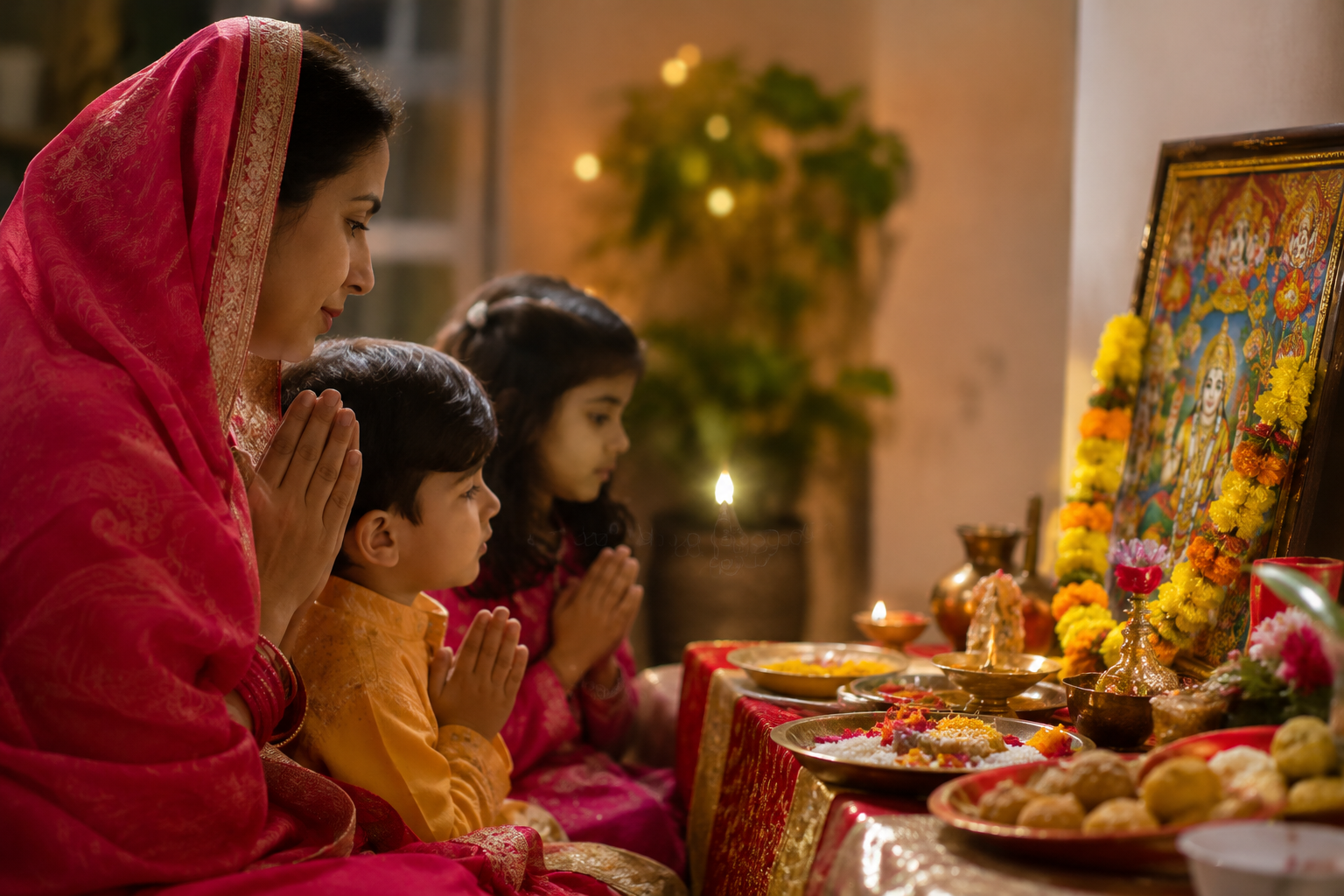
Ahoi Ashtami will be observed on Sunday, 1 November 2026. Celebrated especially across North India, the festival is dedicated to Ahoi Mata and is traditionally observed by mothers who pray for the health, protection and long life of their children.
While older traditions often described the vrat as being observed specifically for sons, today many families naturally extend the prayer to all children sons and daughters alike.
Ahoi Ashtami falls only a few days after Karva Chauth and shortly before Diwali, creating a quieter devotional pause before the festive season becomes brighter and busier.
At its heart, Ahoi Ashtami reflects one of the most universal forms of love: a parent’s wish to see their children safe, healthy and happy.
Beginning the Day with a Sankalp
For devotees observing the vrat, the day may begin early with a bath and a simple prayer before the household becomes busy.
The mother may take a sankalp for the well-being of her children and begin the fast according to her family tradition.
Many women observe a strict vrat, while practices differ between households. Health should always come first. Pregnant women, breastfeeding mothers and anyone managing a medical condition should adapt the fast appropriately rather than feeling pressured to follow a physically difficult practice.
A vrat becomes meaningful through faith and intention, not through unnecessary suffering.
The morning can also be used to prepare the puja space so that the evening worship remains peaceful.
Preparing the Ahoi Mata Puja
Traditionally, an image of Ahoi Mata is drawn or placed on a wall for worship. Some representations also include children and traditional symbols connected with the Ahoi Ashtami katha.
Families may use a printed or framed image according to their preference.
The puja area can be cleaned and decorated simply with flowers. A thali may be arranged with roli, akshat, diya, water, sweets and other offerings followed within the family tradition.
A kalash or small vessel filled with water may also form part of the worship in some households.
The Ahoi Ashtami vrat katha is traditionally heard or narrated during the evening puja.
Rather than rushing through the story, families can listen to it together and reflect on its themes of responsibility, compassion and the deep emotional bond between parents and children.
Waiting for the Stars
One of the distinctive traditions of Ahoi Ashtami is concluding the vrat after the stars become visible in the evening. Some families follow different customs, including waiting for moonrise.
The moment of looking towards the evening sky gives the festival a gentle beauty.
After an entire day of fasting and responsibility, the parent pauses and looks upward before completing the vrat.
It can become more than a ritual moment.
Parents may use those few minutes to think about what they genuinely wish for their children.
Beyond academic success, money or achievement, most parents ultimately wish for good health, kind character, emotional strength and the wisdom to make good decisions.
Those wishes can become the true prayer of Ahoi Ashtami.
Protection Is More Than Prayer
Ahoi Ashtami centres on protection, but protecting children involves far more than performing a ritual once a year.
It means creating a home where they feel safe enough to speak honestly.
It means listening when something seems small to an adult but feels enormous to a child.
It means teaching boundaries, encouraging confidence and allowing children to make age-appropriate choices.
Sometimes protection means holding a child’s hand.
At other times, it means slowly letting go so that the child can learn to stand independently.
The festival can therefore become an opportunity for parents to reflect on the difference between protection and overprotection.
Love provides security, but it should also help children grow.
Including Children in Ahoi Ashtami
Although the vrat is generally observed by adults, children can participate in simple and joyful ways.
They may help decorate the Ahoi Mata puja area, arrange flowers or place the diya on the thali.
Older children can listen to the vrat katha and ask questions about why the festival is celebrated.
Parents may also reverse the usual direction of blessings for a moment.
After receiving blessings from their mother, children can thank her for something she does for them throughout the year.
Even a simple sentence such as “Thank you for helping me when I’m worried” can transform the festival into a meaningful family memory.
Such moments remind children that relationships are built through gratitude in both directions.
Parenting with Faith, Not Fear
Every parent worries about their children.
Their health, education, friendships, future and safety can become a constant stream of concerns.
Ahoi Ashtami offers a spiritual response to that anxiety.
Prayer does not mean that parents stop taking practical responsibility. Instead, it reminds them that not every part of a child’s future can be controlled.
Parents can provide guidance, values and support, but children eventually have their own journeys.
Faith can help transform constant fear into responsible care.
The parent continues doing everything possible while accepting that love does not provide complete control over life.
That acceptance can bring a different kind of peace.
Preparing the Puja Essentials
A Traditional Puja Thali Set can help arrange roli, akshat, diya and other offerings neatly for the evening ceremony.
A Daily Puja Kit can provide essential samagri for a simple home worship setup.
For the evening aarti, Floating Oil Wicks can make diya preparation convenient while allowing the family to focus on the puja.
Preparing everything earlier in the day is especially helpful when the person performing the puja is also fasting.
Extending the Prayer Beyond Our Own Children
Ahoi Ashtami can also encourage families to think beyond their immediate household.
There are many children who need educational support, nutritious food, medical care or simply a safe environment.
Families may mark the festival by donating books, food, clothes or educational supplies to children in need.
The contribution does not need to be large.
A small act performed sincerely can expand the prayer from “May my children remain safe” to “May every child have an opportunity to grow safely.”
That is a beautiful way to honour the nurturing spirit represented by Ahoi Mata.
A Festival of Parental Gratitude
Parents spend much of their lives thinking about what children still need.
Ahoi Ashtami can also become a day to appreciate what is already present.
A child’s laughter, questions, achievements, mistakes and even occasional stubbornness are all parts of a family journey that changes quickly.
Children grow.
Schedules change.
One day the small hand being held during a puja becomes the hand of an adult building a life of their own.
Festivals help families notice these passing stages.
As the stars appear in the evening sky, parents can pause before completing the vrat and offer one simple prayer:
May my children be healthy enough to enjoy life, wise enough to choose the right path and compassionate enough to make the lives of others better.
May Ahoi Mata protect every child, give strength to every parent and fill every home with health, understanding and loving relationships.
For authentic puja products, puja thalis, diyas, oil wicks and devotional essentials, visit Puja Samagri Online.
#AhoiAshtami #AhoiAshtami2026 #AhoiMata #AhoiAshtamiVrat #AhoiAathe #MothersPrayer #BlessingsForChildren #ChildWellBeing #FamilyWellBeing #Parenthood #FamilyTraditions #IndianFestivals #HinduTraditions #Vrat #EveningPuja #StarPuja #FamilyDevotion #HomePuja #PujaThali #OilWicks #PujaSamagriOnline